
Standing there was my brother with one of my mother’s cooking pots sitting on our picnic table. It was full of water. My brother was standing over the pot with a knife in his hand. His other hand was holding some kind of skin.
Breaking the Silence: Why Minimizing Abuse Keeps Us Stuck—and How to Heal
Don’t Minimize Your Abuse
Standing there was my brother with one of my mother’s cooking pots sitting on our picnic table. It was full of water. My brother was standing over the pot with a knife in his hand. His other hand was holding some kind of skin.
Why Do We Minimize Our Abuse?
It’s a question I’ve asked myself many times: why do survivors like me tend to minimize the abuse we have endured? This phenomenon is deeply rooted in psychological experience and coping strategies developed in response to trauma.
My own journey has taught me that psychological abuse often leaves invisible yet profound scars. I was diagnosed with post-traumatic stress disorder (PTSD), or more specifically, Complex PTSD (CPTSD)—a condition that arises from prolonged or repeated trauma, especially in childhood where escape and control were impossible. Unlike traditional PTSD, which may result from a single traumatic event, CPTSD involves difficulties in emotional regulation, self-perception, and interpersonal relationships stemming from long-term abuse.
Research shows that childhood abuse—whether emotional, physical, or sexual—rewires the brain’s structure and chemistry, impacting memory, emotional response, and sensory processing. These neurological changes mean survivors often experience anxiety, flashbacks, numbness, and difficulty trusting others long after the abuse ends.
The Psychological Mechanisms Behind Minimizing Abuse
Minimizing is often a survival mechanism. When facing overwhelming pain, the brain employs denial, dissociation, and cognitive distortion to shield itself from full exposure to trauma. By telling ourselves, “It wasn’t that bad,” we create psychological distance from our suffering to function in day-to-day life.
Unfortunately, abusers and enablers often reinforce this minimization with phrases like “Get over it,” or “It wasn’t so terrible,” which further compounds self-doubt and shame. This invalidation can silence survivors for years or even decades.
While minimizing helps manage immediate pain, it can prevent the deep acknowledgment necessary for healing. It can also prolong trauma’s grip on mental health and relationships.
What Minimizing Looks Like
If you find yourself thinking:
- “It’s not as bad as what others have gone through.”
- “It only happened a few times.”
- “I should just move on.”
- “I must be overreacting.”
These thoughts are common but can mask the genuine impact of abuse. Acknowledging pain openly is the first step to reclaiming control and starting recovery.
The Courage to Share Your Story
I have witnessed and endured horrors—live animals tortured before me, threats against my life, being restrained against my will, and the cruelty of parental neglect to bullying. These experiences are undeniably traumatic and shaped who I am.
When I shared my story with others, I often felt the urge to downplay my pain, believing others’ suffering was worse. But trauma is not a competition. Every survivor’s experience is valid and deserving of recognition.
The Importance of Understanding Long-Term Impact
The long-term consequences of childhood trauma span beyond emotional wounds. They affect physical health, cognitive function, and behaviours throughout life. Understanding these impacts is crucial for survivors and those supporting them.
To support healing, I am launching a FREE 1-hour course called “Healing Within,” a gentle, evidence-based introduction to understanding and beginning to heal trauma. This course will be available soon and offers compassionate tools for emotional, mental, and spiritual renewal. You can pre-enrol and learn more on the landing page here.
In addition, a more comprehensive 3-hour Childhood Trauma Retreat course is coming soon, designed as an immersive experience with guided exercises and transformational tools for deeper healing.
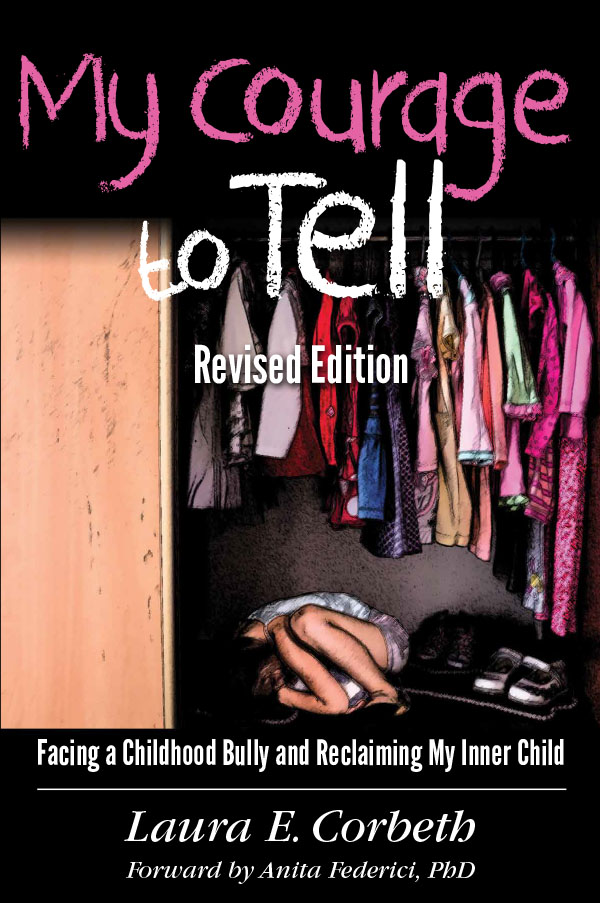
My Courage to Tell
Read the newly updated 2025 version!
Healing Is Possible
Recovery is not linear but is attainable through education, therapy, and support. Specialized treatment for CPTSD, including trauma-informed care, cognitive-behavioural therapy, and mindfulness practices, can assist in regulating emotions and rebuilding trust in oneself and others.
To anyone reading this who is still minimizing their abuse: your experience and feelings are real and important. Don’t accept dismissal or diminish your pain. There is courage in telling your story, and there is hope in healing.
Peace.
My immediate thought was, “Oh come on, it really wasn’t that bad.”
When I recently shared my abuse to a woman who had been sexually abused, she simply thought what I experienced was horrible. Yet, I think what she went through was worse. Again, my thought was, “But, it wasn’t that bad.”
So my question is: why do we keep minimizing our abuse?
I’ve reflected on this, I think the reason is that the abusers, and people who protect the abusers, tell us “it wasn’t that bad.”
Well, it was that bad. Me witnessing a live animal tortured was that bad. Having my life threatened, was that bad. Being held against my will with spitting, tickling and constraint were that bad. My parents ignoring the bullying was that bad.
Don’t minimize your pain. Don’t listen to those who say “Get over it. It wasn’t that bad.”
Peace.