

It is easier to build strong children than to repair broken men.
—Frederick Douglass
Childhood Emotional Neglect (CEN): The Invisible Wound
When we think of childhood abuse, we often picture something visible—yelling, hitting, or outright cruelty. But there is another kind of abuse, one that leaves no bruises, yet cuts just as deep: Childhood Emotional Neglect (CEN).
CEN is invisible. It’s subtle. And many people don’t even realize they’ve experienced it until later in life. Yet experts now say it is every bit as harmful as physical abuse.
What Is Childhood Emotional Neglect?
Dr. Jonice Webb, clinical psychologist and author, describes it simply:
Childhood Emotional Neglect happens when your parents fail to respond enough to your emotional needs while they’re raising you.
Children are born with deep emotional needs—to be comforted, protected, listened to, and validated. When parents ignore or dismiss those needs, the child grows up feeling empty, unseen, and unworthy of love.
As Dr. Webb puts it, “Emotional neglect is the silent killer of a child’s spirit.”
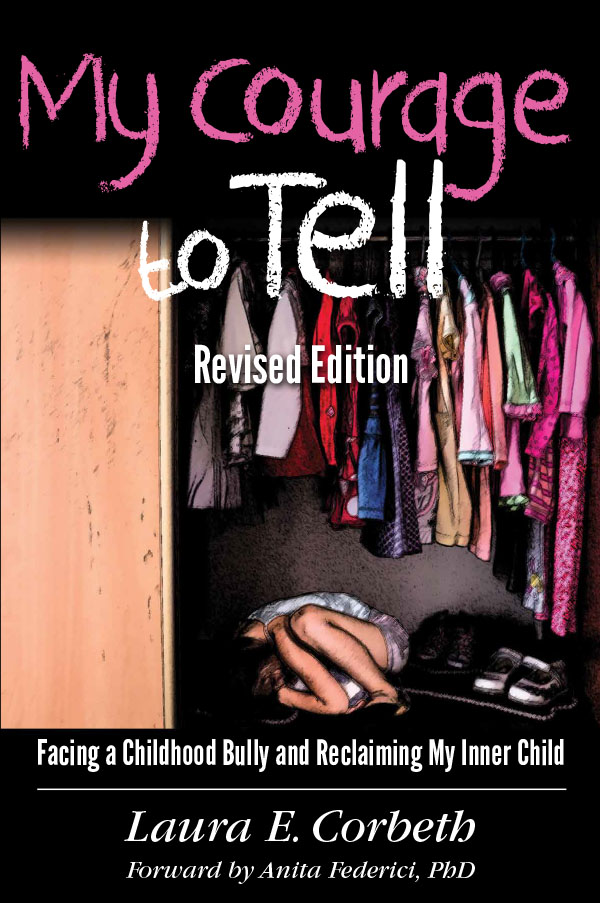
My Courage to Tell
Why It Hurts So Much
Unlike physical abuse, CEN can be hard to name because it’s about what didn’t happen. Maybe no one comforted you when you cried. Maybe your achievements were ignored, your feelings dismissed, or your pain minimized.
I remember one parent laughing while I was being bullied, and another brushing it off with, “You kids stop this nonsense.” There was no protection. No validation. And that left scars.
Experts are clear: the long-term effects of CEN can include anxiety, depression, chronic emptiness, and even physical illnesses such as heart disease and cancer. Dr. Diane Roberts Stoler, neuropsychologist and author, has said that Childhood Emotional Neglect may be the most damaging form of emotional abuse of all.
Dr. Rahil Briggs, PsyD, goes further, stating that there is no difference between emotional and physical abuse. Both alter the child’s development. Both rewire the nervous system toward fear.
The Science Behind It
CEN doesn’t just affect emotions—it leaves a lasting imprint on the body. When a child’s emotional needs are ignored, the autonomic nervous system (responsible for fight, flight, or freeze) can stay activated. This creates patterns of fear, hypervigilance, and difficulty calming down—even in adulthood.
The Adverse Childhood Experiences (ACE) Study has shown us that neglect is just as damaging as abuse. It increases the risk of depression, addiction, physical illness, and difficulties in relationships.
If you’ve ever wondered why you feel an underlying emptiness, a sense that something is “missing,” CEN may be the reason.
You Are Not Alone
The hardest part of CEN is that it convinces you that your feelings don’t matter. But they do.
Recognizing the invisible wound is the first step. The next is healing—learning to give yourself the validation and compassion you didn’t receive as a child.
That is why I created my FREE trauma course. It’s designed to help people like you understand the hidden wounds of childhood, begin to see the patterns, and learn practical steps toward healing.
You don’t have to carry this emptiness forever. You can learn to feel again. You can reconnect with your authentic self. And you can heal.
🌿 Sign up today for the FREE trauma course. Your healing matters.
Take the first step.
Healing Within is completely free to join. It’s a soft place to land — a safe beginning.
And when you’re ready to go deeper, you’ll be invited to the Childhood Trauma Retreat Course, a 3-hour immersive experience with more practices, guided exercises, and tools for lasting transformation.
References:
1.https://blogs.psychcentral.com/childhood-neglect/2017/07/7-signs-you-grew-up-with-childhood-emotional-neglect/
2.https://drjonicewebb.com/category/attachment-theory/
3.https://drjonicewebb.com/2018/06/03/answering-the-question-how-does-emotional-neglect-affect-a-child/
4.https://www.babble.com/parenting/childhood-emotional-neglect-as-harmful-as-physical-abuse/
5.https://www.ncbi.nlm.nih.gov/pmc/articles/PMC4700829/
6.https://www.ncbi.nlm.nih.gov/pmc/articles/PMC5482282/
7.https://blogs.psychcentral.com/childhood-neglect/2017/07/7-signs-you-grew-up-with-childhood-emotional-neglect/